

Maintaining sufficient vitamin C intake is crucial for astronauts’ health and mission success. As astronauts embark on multi-year expeditions, vitamin C content in processed foods aboard spacecraft degrades over time. Without sufficient vitamin C, tissue growth and repair, wound healing, and immune functions are significantly debilitated. We identified two plasmids containing the vitamin C production pathway from Arabidopsis thaliana to transform into Escherichia coli. By engineering a cosmic radiation-resistant variant of E. coli isolated by a group of researchers with the vitamin C pathway genes, our project would create a sustainable source of vitamin C for astronauts. To improve protein expression, we would use CRISPR to knock out the OmpT and Lon proteases in the radiation-resistant E. coli chassis. E. coli exposed to microgravity environments displays increased growth and production of recombinant DNA. Moreover, the adaptability of this method could be extended to the production of other essential vitamins, such as vitamin A and vitamin D. We hope to provide astronauts with the necessary nutrients for deeper space exploration.
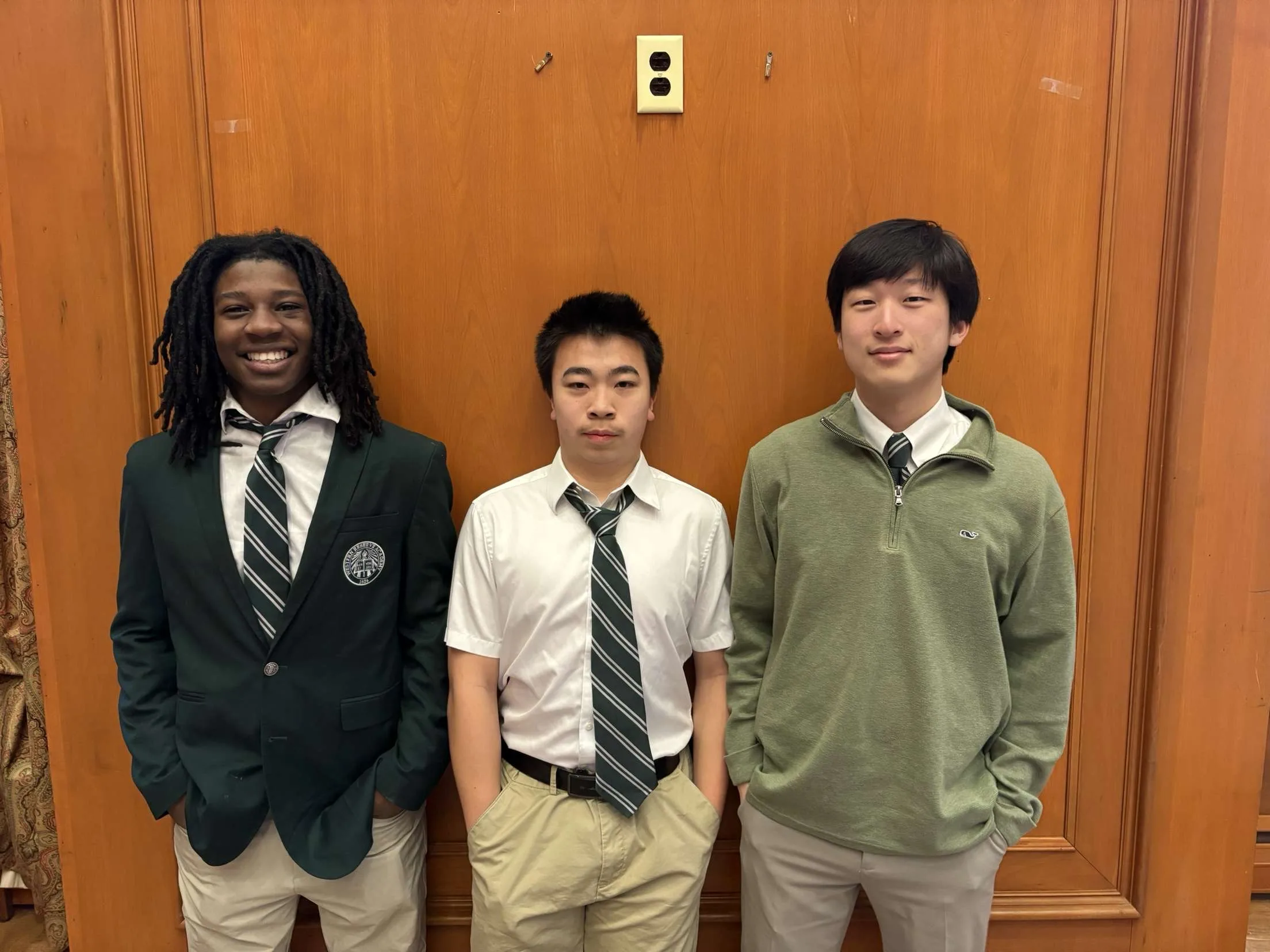
Biosynthetic Production of Vitamin C in Space
School
Western Reserve Academy
Hudson, OH
BioBuilderClub Season
2024-2025 Season
Category
Resources
BBC_Abstract_Orbital Pioneers_Western Reserve Academy_2025
BBC LT_Orbital Pioneers_Western Reserve Academy_2025
BBC_Poster_Orbital Pioneers_Western Reserve Academy
Lightning Talk_Orbital Pioneers_Western Reserve Academy