

Industrial activities have driven CO2 levels to an oxygen concentration of 421 ppm, a level not seen in 4 million years of recorded history. In 2024 alone, 34 billion tonnes of CO2 were released into the atmosphere, trapping the energy equivalent of eight Hiroshima bombs per second. The resulting global warming has led to dangerous environmental hazards such as wildfires, floods, and ocean heat waves. 403 of climate change-induced disasters have cost the U.S. over $2.915 trillion since 1980. However, previous solutions like Storage and Bioenergy with Carbon and Sequestration (BECCS) and Direct Air Carbon Capture (DACC) require extremely high costs and energy devotion. Synthetic Biology provides a possible solution that bypasses all these pitfalls by utilizing Cyanobacteria’s ability to capture carbon dioxide. Specifically, the overexpression of bicA, a sodium-dependent bicarbonate transporter, increases inorganic carbon availability and decreases carbon limitation. We will monitor the biosynthesis process with a biosensor that detects cellular stress and bottlenecks, ensuring efficiency and effectiveness. This single system, consisting of carbon uptake, fixation, and conservation, aims not only to reduce atmospheric CO2 by capturing it but also generates valuable biofuels, offering a dual approach to mitigate climate change.
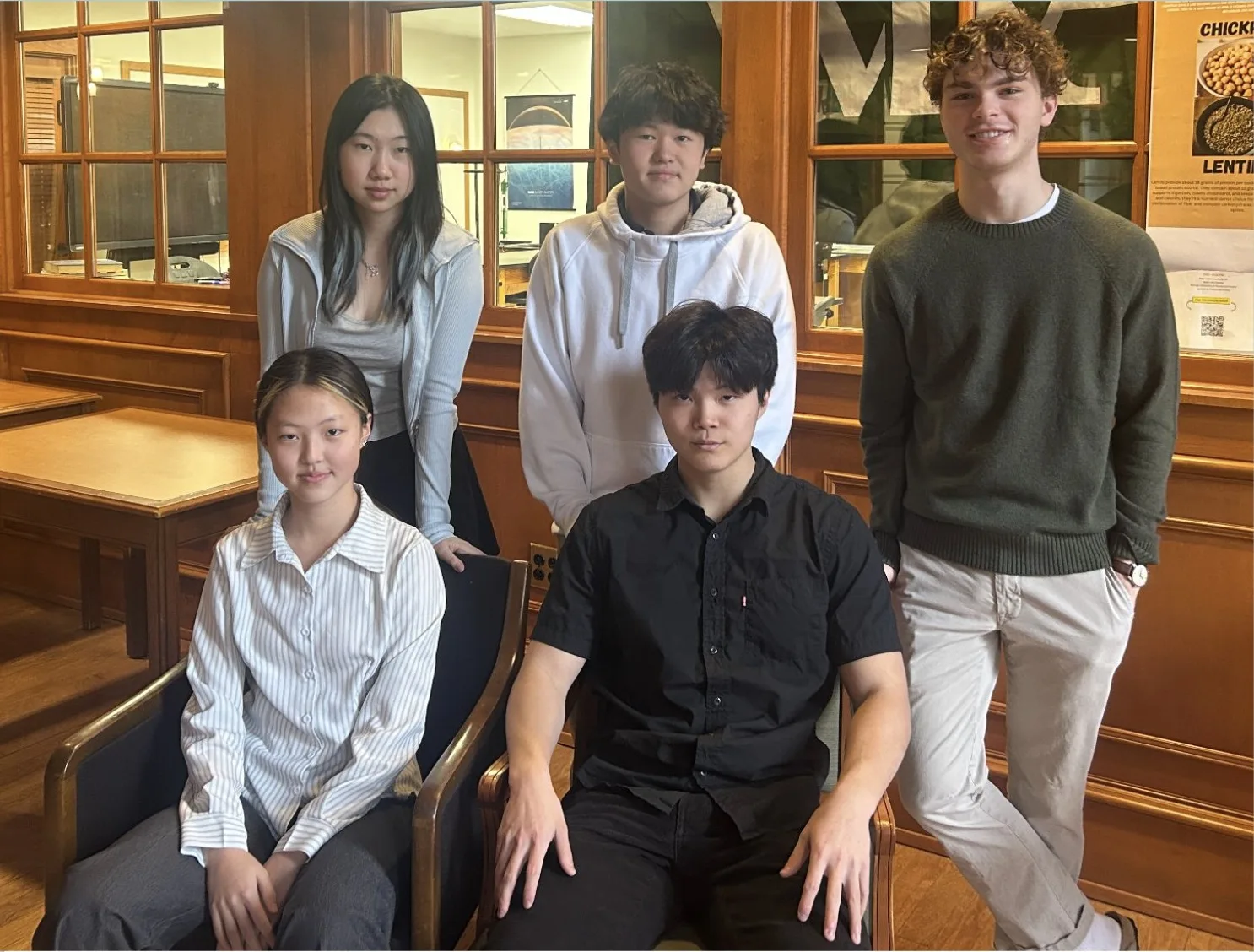
Engineering Cyanobacteria to Enhance CO2 Fixation and Biofuel Production Efficiency
School
Western Reserve Academy
Hudson, OH
BioBuilderClub Season
2025-2026 Season
Category
Resources