

The widespread use of conventional hair dye pigments raises significant concerns regarding their safety and long-term effects. Many hair dyes include harmful chemicals such as ammonia, hydrogen peroxide, and p-phenylenediamine, which have adverse side effects, including allergic reactions, skin irritation, and potential carcinogenicity. Our design addresses these safety issues through a new lens: creating a hair dye using melanin–the natural pigment responsible for hair coloration– and chromoproteins produced via genetically modified Escherichia coli. Chromoproteins are proteins that contain a colored prosthetic group, giving them a vivid color to enhance E. coli’s color variety. A team in the United Kingdom, Cutiful, designed an E. coli color palette of these proteins on plasmids. Through the utilization of their plasmid palette, we hope to combine their plasmids with our design to produce eumelanin. By extracting the plasmid from E. coli, we can utilize this innovation to create the desired color through these proteins. Once extracted, the plasmid is cut open, allowing us to insert a melanin-producing DNA sequence. The new modification expands the range of pigments we can generate. When the engineered plasmid is introduced to the pigmented yeast, where we can achieve the optimal hue for our synthetic hair dye, the yeast produces a color we can isolate and extract. This process yields a broad range of hues while reducing health risks associated with typical hair dye chemicals. Using this method, we hope to achieve safer coloring solutions; if further development in our experiment proves viable, melanin-based hair dye could become a feasible alternative in the global hair dye industry.
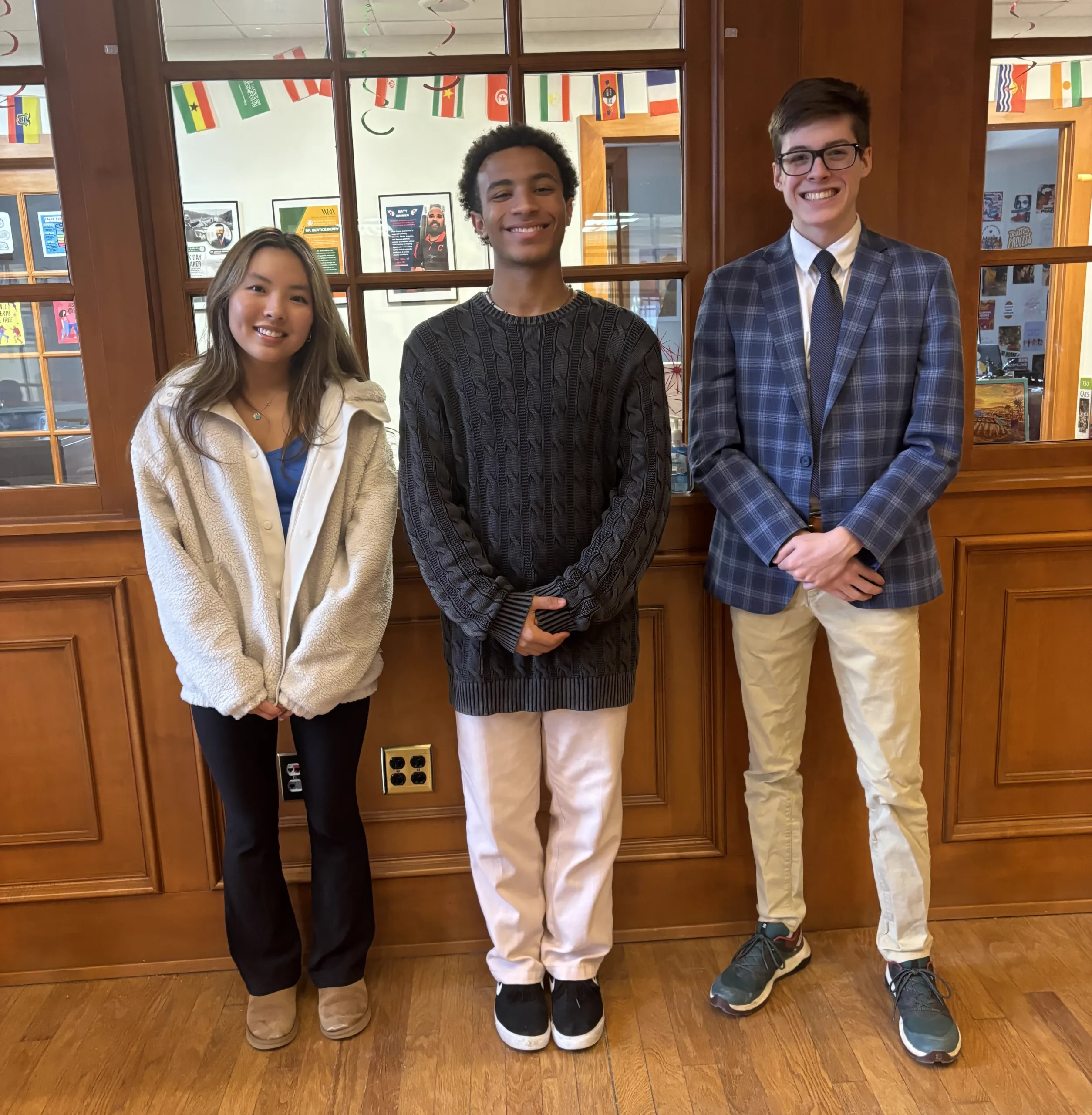
Die Hard Dyers
School
Western Reserve Academy
Hudson, OH
BioBuilderClub Season
2024-2025 Season
Category
Resources
BBC Abstract_Die Hard Dyers_Western Reserve Academy_2025
BBC LT_Die Hard Dyers_Western Reserve Academy_2025