

Whilst advancements in burn wound care have improved healing outcomes, a major unmet challenge in burn treatment is preventing burn conversion—the process by which superficial burns deepen within the first few hours of injury due to factors such as inflammation, oxidative stress, and infection. Our solution is to bioengineer a biodegradable hydrogel bandage that releases burn-stabilizing agents to prevent burn conversion during the progression period. By using a hydrogel scaffold design, we aim to regulate the delivery of burn-stabilizing agents, inflammation suppressors, and moisture-retaining components directly to the burn site. Our project will integrate a base hydrogel with an alginate-chitosan matrix, which will act as a structural and microbial barrier to retain moisture while enabling oxygen diffusion. For tissue preservation, curcumin-loaded nanoparticles will be incorporated into biodegradable microspheres that are embedded throughout the hydrogel, providing controlled, sustained release of stabilizing agents. This delivery system supports antioxidant activity, reduces inflammation, and helps preserve microvascular integrity within the zone of stasis. To maximise the beneficial properties of the hydrogel complex, we aim to replace the patch every 24-48 hours, providing a stable burn intervention solution that works alongside standard treatment and potentially obviates the need for surgical intervention for deep partial-thickness burns.
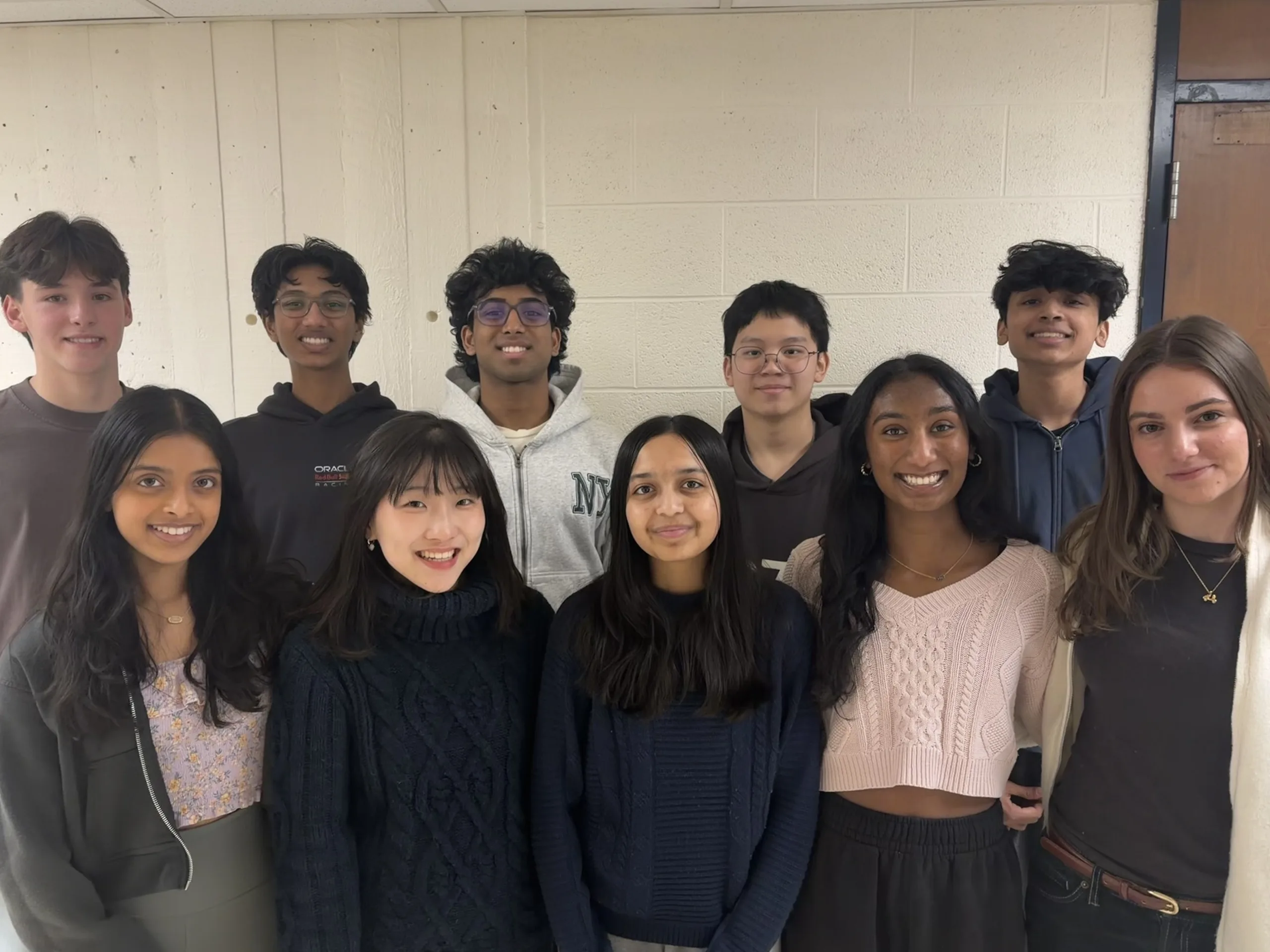
Combating Second-Degree Burn Conversion: Bioengineered Hydrogel Bandage
School
Lexington High School
Lexington, MA
BioBuilderClub Season
2025-2026 Season
Category
Resources