

Methane emissions from agricultural sources, such as cow ranching, contribute to ten percent of total greenhouse gas emissions. The goal of this project is to minimize the output of methane from agriculture by utilizing synthetic biology techniques. Ex vivo studies suggest that flavonoids, a compound formed by plants, could inhibit the enzyme Methyl Coenzyme M-Reductase(MCR) which promotes methane production(khusro). We hypothesize that expression of flavonoid precursor enzymes Flavonol Synthase(FLS) and Flavanone-3-Hydroxylase(F3H) in agricultural feedstock would reduce methane generation via the generation of synthetic flavonoids, which then inhibit MCR. The genes for two flavonoid precursor enzymes FLS and F3H, from cavendish bananas, Musa Acuminata, will be inserted into separate PET-21+ plasmids with different fluorescent protein genes (pAsRed2 and pAmCyan) and coexpressed in E. coli. Fluorescence will indicate successful gene expression of the banana’s flavonoid precursor enzymes in E.coli. Additionally, we plan on using a Western Blot to indicate that FLS and F3H enzymes are being translated in the E. coli cells. Assuming successful transformation, our next steps would be to test the hypothesis that FLS and F3H can reduce production of methane ex vivo. After, we would insert our genes into a feed crop and determine if there is an increased expression of flavonoids. Minimizing methane emissions utilizing synthetic biology provides groundwork for developing sustainable and cost-effective ways to mitigate greenhouse gas emissions.
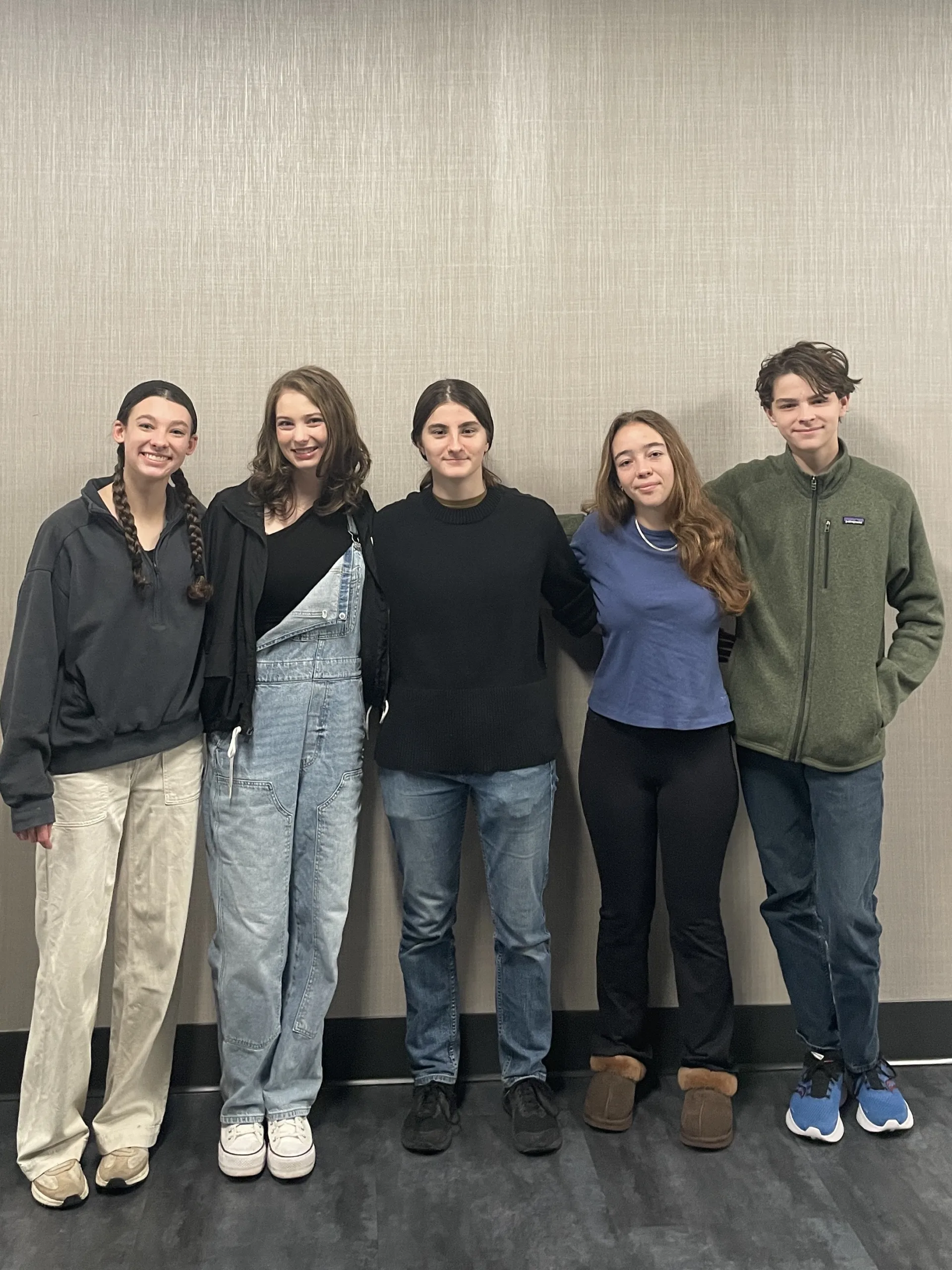
CH4, no more: using flavonoids to minimizeagricultural methane emissions
School
Oak Park and River Forest High School
Oak Park, IL
BioBuilderClub Season
2024-2025 Season
Category
Resources
OPRF CH4 No More BioTreks Article
BBC Abstract_ReducingMethanEmissionsWithFlavonoids_OPRF-TeamMethane_2025